Safeguarding: Everybody's Responsibility

At Back to Work, protecting and safeguarding our learners is really important to us.

If you have concerns about your own well-being or safety, or need advice then please contact our Safeguarding team immediately.

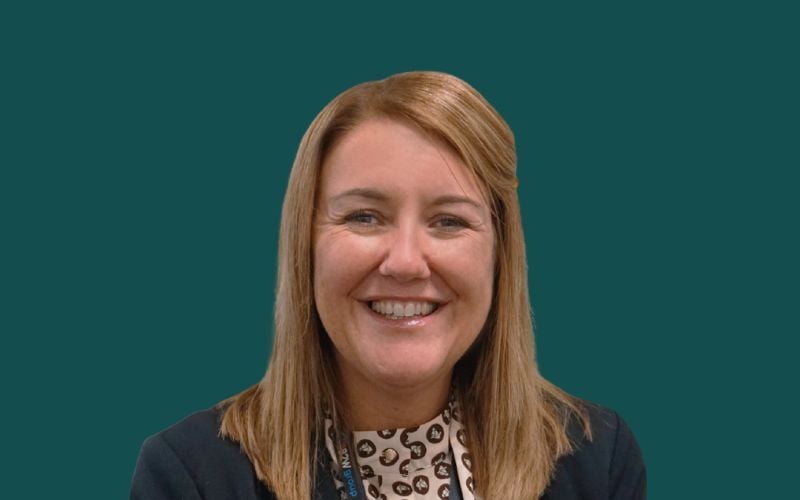
A group of young people looking at a computer screen

Safeguarding covers:

  • Protecting all learners from harm, regardless of their age, gender, religion or ethnicity.
  • Promoting our learners’ health and development.
  • Taking action to ensure all our learners are kept safe.
  • Preventing harm to learners including harm such as abuse and bullying.
  • Preventing learners being drawn into terrorism and being radicalised.
  • Ensuring learners are in a safe environment.

Our Safeguarding Policy covers:

  • Sexual exploitation
  • Harm and abuse
  • Protecting vulnerable learners
  • B2W’s responsibilities in safeguarding learners
  • Reporting concerns and dealing with disclosures
  • Safer recruitment
  • Modern slavery
  • Child Sexual Exploitation (CSE)
  • The Prevent duty

Meet our Safeguarding Team

0161 567 9800 | safeguarding@b2wgroup.com

Alison Dann​

Designated Safeguarding Lead​

Ben Waite

Associate Director of People​

Gayle Dawkes​

Senior HR Executive​

Natasha England​

Group Head of Quality​

Andrew Simms​

Health and Safety Estates Manager​

Vicky Marlor​

Group People Officer​

24-Safeguarding

You should report all Safeguarding concerns immediately by emailing safeguarding@b2wgroup.com

Alternatively, if you are concerned about exploitation or online abuse, or are worried about someone else, you can click on the ‘report abuse’ button on this page which will take you to the CEOP page (child exploitation and online protection centre).


Staying safe online

If you’d like to find out about staying safe online, visit the websites below:

NSPCC Online Safety​

Advice pages on keeping safe on the internet and social networks from the NSPCC website. Looks at the risks and dangers or being online, tips for parents on how to keep safe and how to talk to children about staying safe online.NSPCC-online-safeguarding
Thinkuknow​

Information for children, young people, parents and teachers on new technologies and the risks involved. There is an option for people to report if they feel uncomfortable or worried about someone they are chatting to online.

thinkuknow-logo


UK Safer Internet​

Advice for children, young people, adults and professionals working with children on prevention and responses to threats, bullying and abuse online. They also host an annual "Safer Internet Day" in February each year.
Safer-Internet


NSPCC Sexting

Information and advice on sexting from the NSPCC website. Covers what sexting is, motivations for young people sexting, the law around sexting, how to talk to a young person about sexting, actions to take if a child has been affected by sexting.

nspcc-sexting


Sexual abuse & Sexual harassment

Ofsted’s findings and recommendations on sexual harassment and sexual violence, including online sexual abuse.

govuk-logo

Review of sexual abuse in schools and colleges

Ofsted report (June 2021)

The prevent duty

If you’d like to learn about extremism, terrorism and ‘The Prevent Duty’, visit the sites below:

Prevent Programme

Find out how the Prevent programme supports people who are at risk of becoming involved with terrorism through radicalisation.

govuk-logo


Worries About the World​

Information on terrorism and radicalisation and what to do and information about being bullied or treated badly.
childline-logo


Prevent Duty Guidance

The Prevent Duty guidance for England, Scotland and Wales.
govuk-logo


Child exploitation and online protection command (CEOP)

click-ceop


Signposting for adult stakeholders​

CEOP is a command of the National Crime Agency and is dedicated to tackling the sexual abuse and exploitation of children and young people. CEOP helps children and young people under the age of 18 who have been forced or manipulated into taking part, or are being pressured to take part, in sexual activity of any kind.  This can be both online and offline.  The CEOP Safety Centre offers information and advice for children and young people, parents and carers and professionals.  You can visit the CEOP Safety Centre and make a report directly to CEOP by clicking the Click CEOP button.  Online bullying or other online concerns should not be reported to CEOP and children and young people should be directed to speak to an adult they trust, and/or referred to Childline, if they would like to speak to someone about how they are feeling.

Signposting for children and young people

CEOP helps any child or young person under the age of 18 who is being pressured, forced or tricked into taking part in sexual activity of any kind. This can be something that has taken place either online or in ‘the real world’, or both. The CEOP Safety Centre has clear information and advice on what can be reported to CEOP, the reporting process and what will happen if you do decide to make a report. You can visit the CEOP Safety Centre and make a report directly to CEOP by clicking the Click CEOP button. If you are experiencing online bullying or something else online has worried you please speak to an adult you trust, or you can talk to Childline at any time on 0800 1111 or at www.childline.org.uk.

How we do it

Downloadable documents

The B2W Group Safeguarding Policies & Procedures​

Keeping Children Safe in Education​

The B2W Group Prevent Strategy​

Contact us

Lorem ipsum dolor sit amet, consectetur adipiscing elit. Fusce dignissim sollicitudin tortor, in semper orci sodales laoreet. Morbi mattis dictum ex ullamcorper blandit.

  • Lorem ipsum

    Lorem ipsum dolor sit amet, consectetur adipiscing elit. Ut et massa mi.  

  • Lorem ipsum

    Lorem ipsum dolor sit amet, consectetur adipiscing elit. Ut et massa mi.  

  • Lorem ipsum

    Lorem ipsum dolor sit amet, consectetur adipiscing elit. Ut et massa mi.  

Form title